Selecting the right transparent LED screen supplier is one of the most critical decisions you'll make for your digital signage project. The supplier you choose will determine the quality, performance, and long-term reliability of the display screen, as well as maintenance costs and return on investment. With hundreds of manufacturers and trading companies competing for your business-particularly from China's Shenzhen region, where most transparent LED screens originate-distinguishing a trustworthy partner from a risky one requires deep industry knowledge.

Understanding the Supplier Landscape
The transparent LED screen industry has three very different types of suppliers, and confusing them can cost you thousands.
Manufacturers own production facilities, control the entire manufacturing process, and offer better pricing, customization options, and quality control. They can provide factory tours, detailed production timelines, and direct technical support. Trading Companies act as intermediaries between you and factories. Some add value through sourcing expertise and quality oversight, others mark up prices without contributing meaningful services. Trading companies often represent multiple factories and may not have deep technical knowledge of the products they sell. OEM/ODM Partners manufacture products under your brand or modify existing designs to your specifications. These relationships require larger order volumes but offer greater control over product specifications.
Start with product range. True manufacturers specialize in a focused product category.
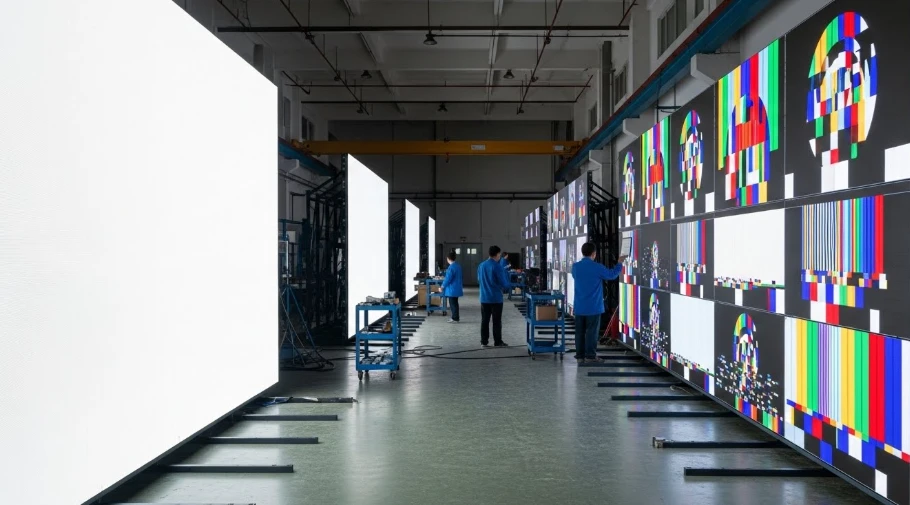
Factory verification matters too. Request a live video tour of the production facility. Genuine manufacturers will show you SMT lines, aging test rooms, and quality control stations without hesitation. Trading companies either show generic warehouse footage, make excuses about "security policies," or fail to respond to video call requests entirely.
Ask detailed technical questions about LED chip packaging processes, driver IC configurations, or PCB layer specifications. Real manufacturers answer confidently with specific details. Trading companies give vague responses or need to "check with their technical team" and get back to you in a day or two.
For Chinese suppliers specifically, request their business license and check if the registered business scope includes "production" or "manufacturing," not just "sales" or "trading."
Critical Component Knowledge
Buyers often negotiate hard on price, feel satisfied with the deal, and then have no idea they agreed to bottom-tier components.
LED Chips: Where Your Money Really Goes
LED chips account for roughly a third of screen cost-sometimes a bit more-and directly determine brightness, color accuracy, lifespan, and failure rates. This is not the place to cut corners.
At the top of the market, you have Cree from the USA and Nichia from Japan. Exceptional stability, color consistency, longevity-but they cost 3-5 times more than top Chinese brands, pushing total screen prices way up from there. Only a small fraction of buyers choose these chips. These are typically broadcast studios, high-end architectural installations, or flagship retail stores for luxury brands. Projects where budget is almost an afterthought.
Everyone else goes with Nationstar. Founded in 1969, they've built a reputation as China's most trusted LED packaging company. Their chips have never experienced a major quality incident. In an industry where suppliers disappear overnight and products fail spectacularly, that track record counts for something.
And this is something suppliers won't volunteer-Nationstar offers three internal quality grades. The RS Series (Reestar) is their high-end line with gold wire construction, delivering the highest brightness and stability. The FM Series sits at mid-to-high-end, still gold wire but priced more moderately. The NH Series uses copper wire and represents entry-level Nationstar quality. When a supplier claims to use "Nationstar LEDs," always ask: which series? Gold wire or copper wire? The price and performance gap between RS and NH is substantial.
Kinglight gives you most of Nationstar's performance at a lower price point-how much lower depends on current market conditions and negotiating leverage. It's a legitimate option for general commercial displays where budget constraints exist. Just set realistic expectations-minor issues tend to emerge after several years of continuous operation. Not failures necessarily, color drift, slight brightness degradation, that kind of thing.
Budget brands like Mulinsen and Hongsheng exist too. They're not defective per se, but these chips have higher failure rates and inferior color consistency. Suppliers using these components compete purely on price. Sometimes that's fine-if you're doing a temporary installation or a project where the screen will be replaced in two years anyway, maybe it makes sense.
Control Systems
Novastar sits at the top. Refresh rates up to 7,680Hz, exceptional grayscale processing, comprehensive software ecosystem, ultra-low latency. It's what broadcast studios and command centers use. There is a premium, but for mission-critical applications where cameras are capturing the display or signal issues are unacceptable, it's worth the investment. Approximately 20-25% of buyers go this route.

Most buyers end up with Colorlight, and that's usually the right call. It has been successfully deployed in dozens of project types-stage rentals, retail displays, advertising screens, medium-scale events. The refresh rates and grayscale processing are solid, signal stability during 24/7 operation is excellent, and the interface is forgiving enough that a dedicated technician isn't required to run it. For normal commercial installations, Colorlight is almost always the appropriate choice.
Then there's Linsn. Budget option, basic reliable. It does what it does-replacing a legacy system, displaying mostly static content, and not requiring advanced features, it works fine. Just don't expect to be impressed.
One warning regardless of which you choose: specify the brand in your purchase agreement. Suppliers have been known to quote Novastar pricing and deliver Linsn systems.
Driver ICs and Power Supplies
Buyers obsess over LED chips overlook driver ICs.
Driver ICs control individual LED brightness and color output. Premium options from MBI (Macroblock), Chipone, or ICN deliver finer grayscale control, better current consistency, lower power consumption, and reduced heat generation. The difference between high-bit and lower-bit grayscale is actually visible to the naked eye in gradient displays.


Power supplies matter more than most people realize-they prevent flickering, stable brightness, and protect against electrical damage. Mean Well from Taiwan is the gold standard. Chuanglian is a reliable Chinese alternative. G-Energy is popular in LED display applications. Avoid unnamed or generic power supplies-they fail prematurely and can take other components down with them.
Certification Verification
For the European market you need CE marking. RoHS compliance covers hazardous materials restrictions. The US market requires FCC certification. TÜV is voluntary carries weight as third-party verification. ISO 9001 covers quality management systems. And if products are being sold within China, CCC certification applies. Not every project needs all of these-figure out which ones matter for your market and verify those thoroughly.
To actually verify these: contact the issuing body directly. Most certification organizations maintain online databases. Check that company names, addresses, and product scopes match. Request high-resolution scans showing certificate numbers and validity dates. For large purchases, consider hiring SGS, TÜV, or Intertek to verify credentials on-site.
Alibaba Supplier Assessment
Gold Supplier Status costs several thousand dollars annually, which indicates some commitment. Scammers generally won't invest this amount. But Gold Suppliers have been known to deliver substandard products. The badge means they paid a fee, not that they're trustworthy. The Verified Supplier Badge indicates an on-site inspection verifying the business exists at the registered address. Better signal, still not a guarantee of product quality.
Years in Business matters more than people realize. Suppliers operating 5+ years under the same company name demonstrate stability. Scammers tend to disappear within 1-2 years and re-register under new names. Check the registration date, not just what the profile claims. Trade Assurance provides payment protection if suppliers fail to meet shipping dates or quality standards.
Quality Control
Before production, require documentation of LED chip brands, IC models, power supply brands, and PCB specifications. Include these in your contract with penalty clauses for substitution. For significant orders, request production samples before authorizing full production.
For factory inspections-and for large orders, this is essential-here's what separates real operations from showrooms. Look for clean room or dust-controlled assembly areas. Temperature and humidity control systems. Organized component storage with proper labeling. Modern SMT production lines. On the testing side, look for LED aging test chambers, brightness and color measurement instruments, high-voltage safety testing equipment, and thermal performance testing capability.
Pre-shipment testing standards: screens should undergo continuous power-on testing for at least 72 hours-some manufacturers do longer. Brightness uniformity should be high, typically 95% or better. Color temperature should fall within a reasonable range for commercial displays, usually somewhere around 6,500K give or take. Contrast ratio depends on your application-fine-pitch products need to hit much higher numbers than standard installations. Industry standards technically allow a few dead pixels per 10,000, but quality suppliers deliver near-zero dead pixels.
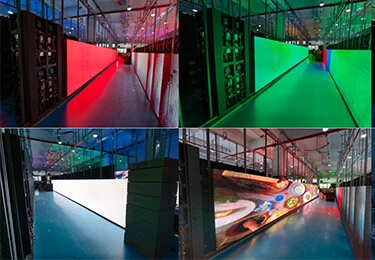

For serious money, professional inspection companies are worth it. SGS, TÜV, and Intertek are the major players. Costs vary depending on location and scope-budget a few hundred dollars per inspection day plus travel.
Pricing
The LED screen modules themselves eat up most of your budget-usually well over half. Control systems, power supplies, cabinet structures, packaging, and shipping split the remainder in varying proportions depending on your specific configuration and destination.
Current market prices shift constantly, here's a rough sense of the landscape. Basic indoor screens with larger pixel pitch are the most affordable entry point. As you move to finer pixel pitches, prices climb significantly-sometimes doubling or more. Outdoor screens command a premium over indoor equivalents due to weatherproofing requirements. Holographic and specialty products sit at the top of the market.
Always confirm whether quotes include shipping and customs duties, control system hardware and software licenses, installation guidance, spare parts allocation, training materials, and warranty coverage. Quotes that looked competitive have been known to balloon once all the "extras" are added up.
Negotiation leverage: larger orders typically qualify for meaningful discounts, though the threshold varies by supplier. If budget is tight, discuss using Kinglight instead of Nationstar LEDs, or Colorlight instead of Novastar control systems. Just understand the tradeoffs. Standard payment terms usually involve a deposit upfront, another chunk before shipment, and the balance after acceptance-the exact split is negotiable.
Red flags: prices way below what everyone else is quoting (someone's cutting corners somewhere), reluctance to itemize costs, pressure for immediate payment, requests for payment to personal accounts. Legitimate Chinese businesses use corporate bank accounts at major banks-ICBC, China Construction Bank, Agricultural Bank of China, Bank of China. Personal account requests are a major warning sign.
After-Sales Service
Transparent LED screens require ongoing maintenance. Evaluate after-sales capabilities before you need them.
Standard warranty from reputable manufacturers runs 2-3 years, covering hardware defects and electronic component failures. LED modules, power supplies, and control systems should all be included. Damage from improper installation, power surges, or environmental factors typically isn't covered. For commercial installations, negotiate guaranteed response times-24-48 hours for remote diagnosis, a week or two for replacement parts. Understand how warranty claims actually work in practice. International shipping of replacement parts can take weeks with customs delays.
Here's advice that has saved many buyers significant headaches: purchase extra modules with your original order-somewhere in the 5-10% range depending on installation size and accessibility is typically recommended. This gives you immediate replacement capability and ensures color consistency since they're manufactured in the same batch. Trying to source matching modules two years later is a nightmare-production batches vary slightly, and discontinued models are gone forever.
Confirm suppliers will maintain spare parts availability for 5+ years. Some manufacturers discontinue products quickly, leaving customers stranded. Negotiate spare parts pricing upfront to prevent price gouging when you're desperate.
Technical documentation matters: installation guides, control system manuals, calibration procedures, troubleshooting guides. Remote support availability. Time zone differences with Chinese suppliers complicate real-time support-if you're in North America or Europe, factor this in. Some international suppliers maintain local service partners, which helps enormously.
Risk Mitigation and Fraud Prevention
Bait and switch is the most common issue. Premium components quoted, inferior substitutes delivered. Prevention: specify all component brands and models in contracts with penalty clauses. Conduct pre-shipment inspections.
Fake company fronts exist. Scammers create professional websites for non-existent companies. Verify business registration. Request video factory tours. Start with small trial orders. Payment redirection happens when fraudsters impersonate legitimate suppliers and request payment to different accounts. Verify payment details through known phone numbers, not email. Never pay to personal accounts.
Quality degradation over time is subtle. Initial orders meet specifications, subsequent orders use cheaper components once trust is established. Require periodic inspections and maintain component specifications in ongoing contracts.
Before committing to any supplier: verify their business license, Factory existence through video tour or third-party audit, check certification authenticity, request and contact customer references, search the company name with "scam" or "complaints" online, start with smaller trial orders, use secure payment methods with buyer protection.
Contract Essentials
Your contract is your only real protection when things go wrong.

Start with specifications-and I mean exhaustive specifications. Lock down the LED chip brand and exact model number, not just "Nationstar" but "Nationstar RS Series" or whatever you agreed to. Same goes for driver ICs, control systems, and power supplies. Include pixel pitch, brightness levels, refresh rate, transparency percentage, and cabinet dimensions down to the millimeter. If it matters to you, it belongs in the contract.
Quality standards need teeth. Define the maximum acceptable dead pixel rate-I recommend zero tolerance. Specify brightness uniformity requirements (95% or higher), color temperature tolerance range, and exactly how acceptance testing will be conducted. Who does the testing? What equipment? What happens if it fails?
Delivery terms should protect you from endless delays. Pin down a realistic production timeline, specify the shipping method, set a firm delivery deadline, and-this is crucial-include penalty clauses for delays. Something like 0.5-1% of contract value per week of delay gives suppliers real incentive to hit their dates.
Structure your payment schedule around milestones you can verify. A typical split might be 30% deposit, 30% after production inspection approval, and 40% after delivery and acceptance testing. Never pay the final installment until you've confirmed the product meets specifications. Suppliers who push back hard on this structure are waving a red flag.
Warranty terms deserve more attention than most buyers give them. Spell out the coverage period, what's included and excluded, response time commitments, and the exact procedure for filing claims. Get the supplier to commit to spare parts availability for at least five years.
Finally, address what happens when things go wrong. Specify governing law, arbitration procedures, and jurisdiction. For Chinese suppliers, understand that enforcing contracts across international borders is complicated and expensive.
Evaluating Suppliers in Practice
When comparing suppliers, weight factors according to your specific project needs. A broadcast studio prioritizes refresh rates and color accuracy above all else. A retail chain cares more about total cost of ownership and maintenance simplicity. A temporary event installation might optimize purely for price. Know what matters for your project before you start scoring suppliers.
Component quality matters more than most other factors-it's what you're actually buying. Manufacturing capability and quality control processes come next. Certifications matter for compliance don't tell you much about product quality. Pricing obviously matters, but treat suspiciously low prices as a warning sign rather than an opportunity. After-sales service becomes critical the moment something goes wrong.
The practical process: start by eliminating suppliers who can't verify manufacturing capability or certifications. Compare component specifications among those remaining. Get detailed quotes from several qualified suppliers-three to five usually gives you enough market perspective. Contact existing customers of your top candidates and visit installations if possible. Start with smaller orders before major commitments.