How a Nobel Prize-winning psychology principle can transform your retail pricing strategy-and how electronic shelf labels make it work in real time.
Two yogurt cups sit on the supermarket shelf. Same brand, same size, same price. One ESL tag reads "Contains 20% fat". The other reads "80% fat-free."

Which one would you choose?
Most people grab the "fat-free" one without hesitation. But both labels describe the exact same yogurt. Twenty percent fat IS eighty percent fat-free. Basic math.
That tiny word change-from "contains fat" to "fat-free"-completely flips how your brain categorizes the product. One feels unhealthy. The other feels like a smart choice.
This is the framing effect. And if you're in retail, it's the difference between products that fly off shelves and products that collect dust.
The Nobel Prize Discovery
In 1981, psychologists Daniel Kahneman and Amos Tversky presented participants with a scenario about treating a deadly disease. When the options were framed as "saving 200 lives," 72% chose the safe option. When the exact same options were framed as "400 will die," 78% chose to gamble.

Same math. Same outcomes. Opposite decisions.
This discovery earned Kahneman the Nobel Prize in Economics.
Why Loss Hits Harder Than Gain
In the marketplace, losing feels worse than gaining feels good. When you gain something, it's just a discount-nice, but forgettable. When you lose something, it's your own money, your own opportunity walking away.
Walk into any supermarket and watch what happens. In the fresh produce section, shoppers crowd around products with tags flashing "Limited Time - Last 2 Hours" or "Only 5 Left." These items get swept into carts within minutes. Meanwhile, in the apparel corner, racks marked "Great Value" or "Super Savings" sit largely ignored, with customers casually browsing and walking away empty-handed.
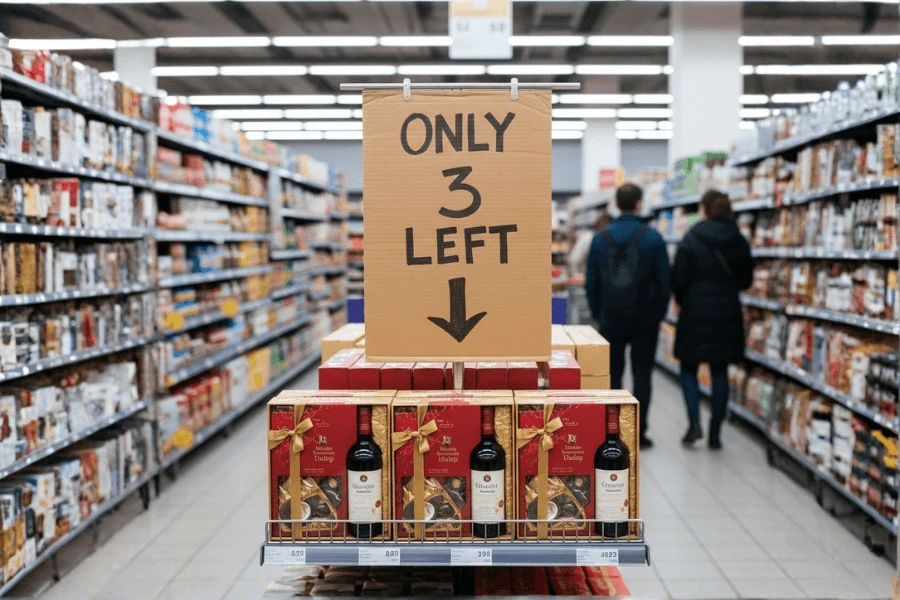
The difference? One frame triggers the fear of loss. The other merely promises a gain.
Loss aversion is 2-2.5x stronger than gain motivation. "Missing out" triggers more action than "getting a deal."
What This Means for Your Price Tags
Identical products with identical prices can have wildly different sales based purely on how you describe them.
Hand Sanitizer: Same Product, Different Story
|
Positive Frame |
Negative Frame |
|
"Kills 99% of germs" |
"Only 1% of germs survive" |
Both statements are mathematically identical. But "kills 99%" makes you feel protected. "1% survive" makes you wonder if that 1% will get you sick.
The $100 Discount Rule
A $30 shirt? "50% off" beats "Save $15."
A $1,000 laptop? "Save $200" beats "20% off."
The brain responds to whichever number feels bigger. With Electronic Shelf Labels, you can instantly switch between percentage and dollar displays based on price point-one click in the backend, every tag in your store updates in seconds.
Why Products Under "Limited Time" ESL Tags Sell Out Fast
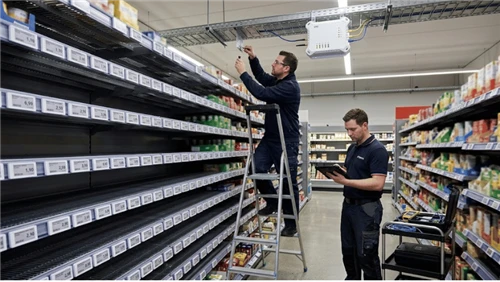
Notice the products flying off shelves at your local supermarket? Check the ESL tags. They almost always display urgency messaging:
"Last chance-ends tonight" outperforms "Great deal today!"

"Only 3 left in stock" outperforms "Buy now and save"
With ESL systems connected to your inventory database, these loss-frame messages update automatically:
Stock > 100: Display "Best Seller - 5,000+ sold this month" (social proof)
Stock < 20: Display "Only [X] left - selling fast" (scarcity trigger)
Stock < 5: Display "Almost Gone!" + LED flash alert (maximum urgency)
No manual checking. No outdated tags. The system pulls real-time inventory data and switches frames the moment stock levels change. Scarcity messaging appears only when it's actually true-and disappears automatically when restocking happens.
Time-Based Frame Switching
Different times of day call for different frames. The morning commuter and the evening browser have completely different mindsets-and respond to completely different messages.
With ESL's scheduled display feature, these switches happen automatically:
|
Time of Day |
ESL Display Strategy |
Why It Works |
|
Morning rush (6-9am) |
"Customer Favorite" |
Busy shoppers trust the crowd-social proof wins |
|
Midday lull (11am-2pm) |
"Today's Special" |
Browsers need a reason to buy now |
|
Evening close (6-9pm) |
"Last Chance Today" |
Loss frame drives action before closing |
|
Weekend |
"Family Size = Better Value" |
Appeals to bulk-buying mindset |
Set it once in the management system. Every tag in every aisle shifts simultaneously at the scheduled time. No staff walking the floor. No manual errors. No missed opportunities.
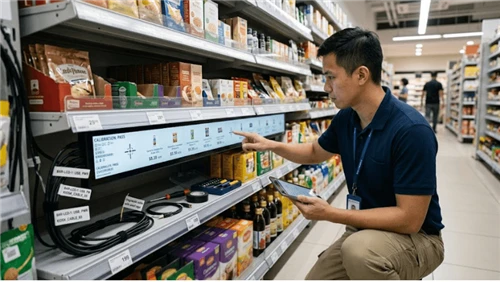
For high-traffic promotional zones, LCD digital screens amplify the effect further-dynamic video content showing countdown timers, flash sale animations, and real-time "X people viewing this" social proof that static tags simply can't deliver.
When Negative Framing Wins
For health-conscious shoppers, the buying motivation is avoiding risk, not gaining benefits:
|
Less Effective |
More Effective |
|
"High in protein" |
"Zero artificial ingredients" |
|
"Rich in vitamins" |
"No added sugar" |
|
"Nutritious choice" |
"Free from preservatives" |
The health-conscious customer isn't shopping for gains-they're shopping to avoid putting bad stuff in their body. ESL tags in pharmacy and health aisles displaying "Paraben-Free" or "No Artificial Colors" consistently outperform feature-focused messaging.
Subscription Pricing
Annual membership: $1,200/year vs. "Just $3.29/day"
Same price. Completely different perception. Breaking large amounts into small daily costs makes them feel trivial. ESL screens at electronics stores displaying "$27/month" instead of "$648" convert hesitant browsers into buyers.
Turning Negatives into Positives
Near-expiration items present a framing challenge. "Expiring soon" sounds negative. But reframe it:
|
Weak Frame |
Strong Frame on ESL |
|
"Expires 1/15" |
"Reduce Food Waste - Special Price Today" |
|
"Clearance" |
"Final Markdown - Extra 40% Off Already Reduced" |
|
"Last chance" |
"Flash Sale: Next 4 Hours Only" |
ESL makes these time-sensitive switches instant and automatic. Connect your inventory system's expiration data to trigger progressive markdown frames: 20% off at 3 days out, 40% off at 1 day out-all updating without a single employee touching a tag.
LCD screens at endcaps can take this further with animated "Flash Sale" countdowns that create genuine urgency, turning near-waste products into high-velocity sales.
When Framing Doesn't Work
The framing effect isn't magic. It weakens significantly when:
High-Stakes Purchases: Buying a car or house? Customers invest serious cognitive effort and see through framing tricks.
Expert Buyers: B2B procurement professionals know "99% effective" and "1% failure rate" mean the same thing.
Transparent Environments: When customers can see both frames simultaneously, the effect cancels out.
The Ethics of Framing
Framing is powerful. That power comes with responsibility.
Ethical Framing:
Presenting true information in different ways ("80% lean" = "20% fat" = both true)
Highlighting genuine benefits customers care about
Using scarcity messaging only when inventory is actually low
Crossing the Line:
Fake scarcity ("Only 2 left!" when you have 2,000)
Implying benefits that don't exist
Manipulating vulnerable populations
Ethical framing works better long-term. Customers who feel tricked don't come back. With ESL connected to real inventory data, your scarcity claims are always accurate-building trust while driving sales.
Next time you see a product flying off supermarket shelves, check its ESL tag. The message matters as much as the price.
Ask yourself: Am I telling customers what they'll GAIN, or what they might LOSE?
The framing effect has been proven for decades. What's new is the technology to execute it at scale-switching frames by time of day, by inventory level, by product category, all from a single management dashboard.
Put Framing Science Into Practice
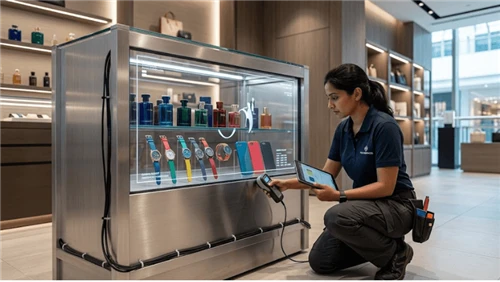
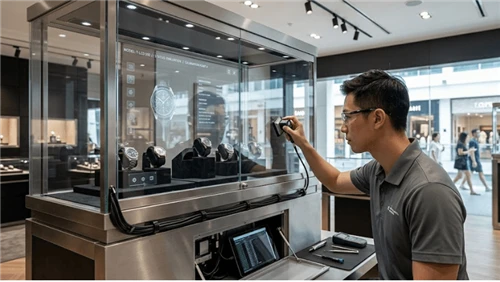
LEGOYO electronic shelf labels and LCD digital screens give you the infrastructure to execute frame-based pricing strategies:
One-click store-wide updates: Change every tag in seconds, not hours
Scheduled frame switching: Set morning/afternoon/evening display strategies that run automatically
Inventory-triggered messaging: Connect to your stock data for real-time scarcity frames
A/B testing capability: Run different frames across locations, measure what actually works
LCD dynamic content: Countdown timers, flash sale an mations, video promotions at high-traffic zones
Product Line
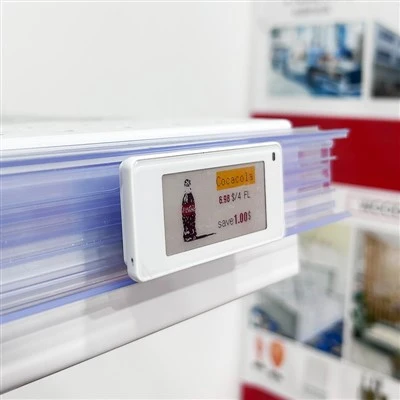
E-ink Electronic Shelf Labels (2.66" to 7.3")
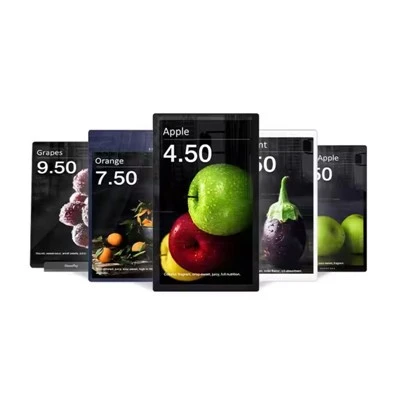
LCD Digital Price Screens (10.1" and 15.6", single & double-sided)
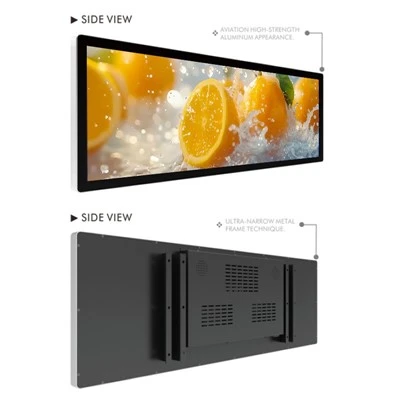
Transparent LCD Displays
Interactive Kiosk Solutions
The best frame is the one you've tested. ESL makes testing possible.