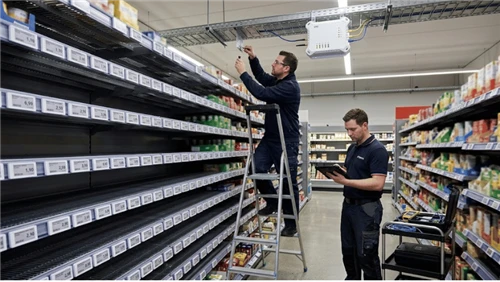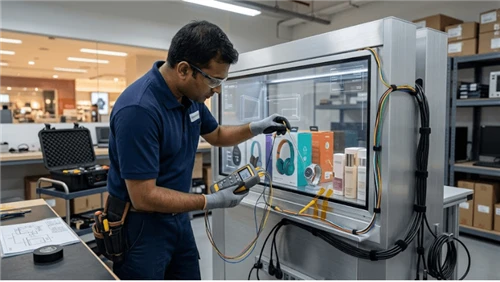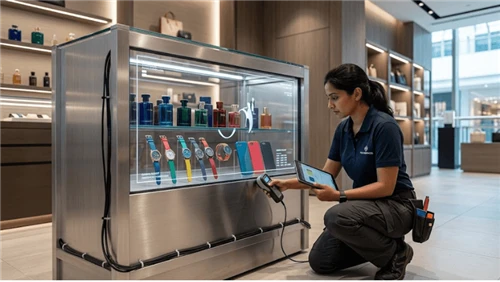
Electronic Shelf Label Mounting Accessories: Rails, Peg Hooks, Freezers, and Glass is not a question that can be answered by one brochure value. For retail fixture engineers, store planners, procurement teams, integrators, and ESL deployment managers, the real decision is how to match label holders and attachment methods to real shelf fixtures without creating visibility, safety, or service problems. A reliable project therefore starts with the operating task, records the installed conditions, and converts every important claim into evidence that can be reviewed before rollout.
This guide uses a fixture-first selection and validation method covering retention, angle, replacement speed, cleaning, and planogram change. It does not assume that a particular product, architecture, certification, return, or performance level applies to every project. Published specifications should be tied to the exact model and configuration, while legal, safety, accessibility, payment, and cybersecurity obligations should be reviewed by qualified parties for the relevant market.
The recommended output is a decision package: scope, requirements, drawings or data maps, test method, expected result, captured evidence, defect ownership, recovery procedure, and the conditions that require retesting. That package gives procurement, engineering, content, operations, and suppliers a common basis for approval instead of relying on subjective impressions.

Start with the business requirement
For electronic shelf label mounting accessories, this stage should produce a reviewable output rather than an informal agreement. The team should connect the requirement to the intended user, operating condition, owner, and acceptance evidence.
Inventory the fixture family before choosing accessories
This requirement should be decided before hardware is ordered. Inventory the fixture family before choosing accessories. This matters because a shelf can show stale, unreadable, or incorrectly mapped information even when the device itself appears online. The project should photograph and measure each rail, lip, peg, basket, glass edge, freezer door, and promotional fixture, and retain the most relevant parts of update logs, endpoint acknowledgments, binding records, shelf audits, exception queues, and signed test results as evidence. For a project team, this changes the decision: test the requirement under representative stores rather than a single flagship location, name the owner who accepts or escalates exceptions, and state whether the conclusion applies only to the tested configuration. Supplier documentation can define a starting boundary, but local validation is still required.
Teams that need the broader product context can review the electronic shelf label solutions before locking this requirement.
Separate permanent and frequently changed locations
This is a system question rather than a single-component feature. Separate permanent and frequently changed locations. This matters because a shelf can show stale, unreadable, or incorrectly mapped information even when the device itself appears online. The project should classify mounts by expected relocation frequency and required tool access, and retain the most relevant parts of update logs, endpoint acknowledgments, binding records, shelf audits, exception queues, and signed test results as evidence. In a pilot, the difference becomes obvious: test the requirement under seasonal displays, endcaps, checkout racks, and stable grocery aisles, name the owner who accepts or escalates exceptions, and state whether the conclusion applies only to the tested configuration. Supplier documentation can define a starting boundary, but local validation is still required.
Define the acceptable label position
The specification only becomes useful when it is tied to a real operating condition. Define the acceptable label position. This matters because a shelf can show stale, unreadable, or incorrectly mapped information even when the device itself appears online. The project should specify viewing angle, product alignment, protrusion limit, and clearance for shoppers and carts, and retain the most relevant parts of update logs, endpoint acknowledgments, binding records, shelf audits, exception queues, and signed test results as evidence. Operations should translate the requirement into a repeatable check: test the requirement under each fixture type and label size, name the owner who accepts or escalates exceptions, and state whether the conclusion applies only to the tested configuration. Supplier documentation can define a starting boundary, but local validation is still required.
This checkpoint should be read alongside the site's guidance on electronic shelf label product range, because adjacent decisions can change the result.
Convert requirements into specifications
For electronic shelf label mounting accessories, this stage should produce a reviewable output rather than an informal agreement. The team should connect the requirement to the intended user, operating condition, owner, and acceptance evidence.
Match the mount to the mechanical interface
A strong design separates the intended outcome from the method used to achieve it. Match the mount to the mechanical interface. This matters because a shelf can show stale, unreadable, or incorrectly mapped information even when the device itself appears online. The project should confirm rail profile, thickness, insertion direction, locking method, and tolerance, and retain the most relevant parts of update logs, endpoint acknowledgments, binding records, shelf audits, exception queues, and signed test results as evidence. For a project team, this changes the decision: test the requirement under worn rails, painted metal, plastic channels, and mixed fixture suppliers, name the owner who accepts or escalates exceptions, and state whether the conclusion applies only to the tested configuration. Supplier documentation can define a starting boundary, but local validation is still required.
For related implementation context, use the retail electronic shelf labels resource as a starting point and verify the local configuration.
Control rotation and sag
The most common mistake is to approve the visible result without testing the process behind it. Control rotation and sag. This matters because a shelf can show stale, unreadable, or incorrectly mapped information even when the device itself appears online. The project should select brackets that resist label tilt under vibration, customer contact, and repeated cleaning, and retain the most relevant parts of update logs, endpoint acknowledgments, binding records, shelf audits, exception queues, and signed test results as evidence. In a pilot, the difference becomes obvious: test the requirement under peg hooks, wire baskets, and cantilevered mounts, name the owner who accepts or escalates exceptions, and state whether the conclusion applies only to the tested configuration. Supplier documentation can define a starting boundary, but local validation is still required.
Protect glass and finished surfaces
The buyer should define both the supported condition and the condition that triggers redesign. Protect glass and finished surfaces. This matters because a shelf can show stale, unreadable, or incorrectly mapped information even when the device itself appears online. The project should use approved clamps, pads, or adhesive systems that do not chip, scratch, or leave unsafe residue, and retain the most relevant parts of update logs, endpoint acknowledgments, binding records, shelf audits, exception queues, and signed test results as evidence. Operations should translate the requirement into a repeatable check: test the requirement under glass shelves, refrigerated doors, and premium displays, name the owner who accepts or escalates exceptions, and state whether the conclusion applies only to the tested configuration. Supplier documentation can define a starting boundary, but local validation is still required.
The next linked decision is covered in electronic shelf label technology; keep the boundaries separate so one article does not substitute for a project test.
Electronic Shelf Label Mounting Accessories Decision Table
The table below turns the topic into a compact review structure. Add project-specific limits, test tools, owners, and approval signatures before using it as an acceptance record.
| Fixture | Common mounting concern | Acceptance evidence |
|---|---|---|
| Shelf rail | Profile and locking tolerance | Installed sample on old and new rails |
| Peg hook | Rotation, sag, and product clearance | Bump test and alignment photo |
| Freezer case | Cold material behavior and cleaning | Cold-condition retention test |
| Glass shelf | Edge protection and clamp load | Surface inspection after removal |
| Wire basket | Vibration and viewing angle | Restocking simulation |
Compare supplier responses
For electronic shelf label mounting accessories, this stage should produce a reviewable output rather than an informal agreement. The team should connect the requirement to the intended user, operating condition, owner, and acceptance evidence.
Design for installation speed without weakening retention
This requirement should be decided before hardware is ordered. Design for installation speed without weakening retention. This matters because a shelf can show stale, unreadable, or incorrectly mapped information even when the device itself appears online. The project should time the mounting workflow and record rework, broken parts, and tool changes, and retain the most relevant parts of update logs, endpoint acknowledgments, binding records, shelf audits, exception queues, and signed test results as evidence. For a project team, this changes the decision: test the requirement under full aisle installation and overnight rollout windows, name the owner who accepts or escalates exceptions, and state whether the conclusion applies only to the tested configuration. Supplier documentation can define a starting boundary, but local validation is still required.
Teams that need the broader product context can review the electronic shelf edge labels before locking this requirement.
Create a standard accessory kit by fixture type
This is a system question rather than a single-component feature. Create a standard accessory kit by fixture type. This matters because a shelf can show stale, unreadable, or incorrectly mapped information even when the device itself appears online. The project should package mounts, spares, tools, labels, and instructions for each store archetype, and retain the most relevant parts of update logs, endpoint acknowledgments, binding records, shelf audits, exception queues, and signed test results as evidence. In a pilot, the difference becomes obvious: test the requirement under multi-store deployment with different fixture mixes, name the owner who accepts or escalates exceptions, and state whether the conclusion applies only to the tested configuration. Supplier documentation can define a starting boundary, but local validation is still required.
Label accessory cartons and field bins clearly
The specification only becomes useful when it is tied to a real operating condition. Label accessory cartons and field bins clearly. This matters because a shelf can show stale, unreadable, or incorrectly mapped information even when the device itself appears online. The project should use part numbers and fixture photos so installers do not improvise with similar-looking components, and retain the most relevant parts of update logs, endpoint acknowledgments, binding records, shelf audits, exception queues, and signed test results as evidence. Operations should translate the requirement into a repeatable check: test the requirement under large projects using multiple crews or subcontractors, name the owner who accepts or escalates exceptions, and state whether the conclusion applies only to the tested configuration. Supplier documentation can define a starting boundary, but local validation is still required.
This checkpoint should be read alongside the site's guidance on electronic shelf labels in grocery stores, because adjacent decisions can change the result.
Test the proposed solution
For electronic shelf label mounting accessories, this stage should produce a reviewable output rather than an informal agreement. The team should connect the requirement to the intended user, operating condition, owner, and acceptance evidence.
Run pull, bump, and cleaning tests
A strong design separates the intended outcome from the method used to achieve it. Run pull, bump, and cleaning tests. This matters because a shelf can show stale, unreadable, or incorrectly mapped information even when the device itself appears online. The project should apply realistic contact, shelf vibration, wipe-down, and product-restocking movements, and retain the most relevant parts of update logs, endpoint acknowledgments, binding records, shelf audits, exception queues, and signed test results as evidence. For a project team, this changes the decision: test the requirement under high-traffic aisles and exposed shelf edges, name the owner who accepts or escalates exceptions, and state whether the conclusion applies only to the tested configuration. Supplier documentation can define a starting boundary, but local validation is still required.
For related implementation context, use the how electronic shelf labels work resource as a starting point and verify the local configuration.
Verify barcode and screen visibility
The most common mistake is to approve the visible result without testing the process behind it. Verify barcode and screen visibility. This matters because a shelf can show stale, unreadable, or incorrectly mapped information even when the device itself appears online. The project should confirm the holder does not cover the display, status light, barcode, battery access, or release mechanism, and retain the most relevant parts of update logs, endpoint acknowledgments, binding records, shelf audits, exception queues, and signed test results as evidence. In a pilot, the difference becomes obvious: test the requirement under small label formats and deep holders, name the owner who accepts or escalates exceptions, and state whether the conclusion applies only to the tested configuration. Supplier documentation can define a starting boundary, but local validation is still required.
Test removal and rebinding workflows
The buyer should define both the supported condition and the condition that triggers redesign. Test removal and rebinding workflows. This matters because a shelf can show stale, unreadable, or incorrectly mapped information even when the device itself appears online. The project should measure whether staff can replace a failed label without damaging the mount or losing product alignment, and retain the most relevant parts of update logs, endpoint acknowledgments, binding records, shelf audits, exception queues, and signed test results as evidence. Operations should translate the requirement into a repeatable check: test the requirement under normal store staffing and approved tools, name the owner who accepts or escalates exceptions, and state whether the conclusion applies only to the tested configuration. Supplier documentation can define a starting boundary, but local validation is still required.
The next linked decision is covered in ESL refresh rates and display performance; keep the boundaries separate so one article does not substitute for a project test.
Model lifecycle obligations
For electronic shelf label mounting accessories, this stage should produce a reviewable output rather than an informal agreement. The team should connect the requirement to the intended user, operating condition, owner, and acceptance evidence.
Audit after planogram changes
This requirement should be decided before hardware is ordered. Audit after planogram changes. This matters because a shelf can show stale, unreadable, or incorrectly mapped information even when the device itself appears online. The project should inspect mounts after products move, facings change, or shelf heights are reset, and retain the most relevant parts of update logs, endpoint acknowledgments, binding records, shelf audits, exception queues, and signed test results as evidence. For a project team, this changes the decision: test the requirement under seasonal resets and category remodels, name the owner who accepts or escalates exceptions, and state whether the conclusion applies only to the tested configuration. Supplier documentation can define a starting boundary, but local validation is still required.
Teams that need the broader product context can review the ESL gateway placement before locking this requirement.
Track accessory failure separately from device failure
This is a system question rather than a single-component feature. Track accessory failure separately from device failure. This matters because a shelf can show stale, unreadable, or incorrectly mapped information even when the device itself appears online. The project should record loose holders, broken clips, adhesive release, and misalignment as distinct defect codes, and retain the most relevant parts of update logs, endpoint acknowledgments, binding records, shelf audits, exception queues, and signed test results as evidence. In a pilot, the difference becomes obvious: test the requirement under support dashboards and supplier reviews, name the owner who accepts or escalates exceptions, and state whether the conclusion applies only to the tested configuration. Supplier documentation can define a starting boundary, but local validation is still required.
Maintain accessory spares by fixture population
The specification only becomes useful when it is tied to a real operating condition. Maintain accessory spares by fixture population. This matters because a shelf can show stale, unreadable, or incorrectly mapped information even when the device itself appears online. The project should base spare quantities on installed mount types and failure history rather than one generic percentage, and retain the most relevant parts of update logs, endpoint acknowledgments, binding records, shelf audits, exception queues, and signed test results as evidence. Operations should translate the requirement into a repeatable check: test the requirement under stores with mixed or legacy fixtures, name the owner who accepts or escalates exceptions, and state whether the conclusion applies only to the tested configuration. Supplier documentation can define a starting boundary, but local validation is still required.
This checkpoint should be read alongside the site's guidance on ESL data readiness, because adjacent decisions can change the result.
Write decision-ready contract outputs
For electronic shelf label mounting accessories, this stage should produce a reviewable output rather than an informal agreement. The team should connect the requirement to the intended user, operating condition, owner, and acceptance evidence.
Require physical samples before award
A strong design separates the intended outcome from the method used to achieve it. Require physical samples before award. This matters because a shelf can show stale, unreadable, or incorrectly mapped information even when the device itself appears online. The project should test proposed accessories on retailer-owned fixture samples and actual labels, and retain the most relevant parts of update logs, endpoint acknowledgments, binding records, shelf audits, exception queues, and signed test results as evidence. For a project team, this changes the decision: test the requirement under each high-volume mount type, name the owner who accepts or escalates exceptions, and state whether the conclusion applies only to the tested configuration. Supplier documentation can define a starting boundary, but local validation is still required.
For related implementation context, use the POS and ERP integration resource as a starting point and verify the local configuration.
Ask who owns tolerance mismatch
The most common mistake is to approve the visible result without testing the process behind it. Ask who owns tolerance mismatch. This matters because a shelf can show stale, unreadable, or incorrectly mapped information even when the device itself appears online. The project should define responsibility when labels fit the sample rail but fail on field variations, and retain the most relevant parts of update logs, endpoint acknowledgments, binding records, shelf audits, exception queues, and signed test results as evidence. In a pilot, the difference becomes obvious: test the requirement under contracts covering fixtures from multiple generations, name the owner who accepts or escalates exceptions, and state whether the conclusion applies only to the tested configuration. Supplier documentation can define a starting boundary, but local validation is still required.

Include accessories in lifecycle pricing
The buyer should define both the supported condition and the condition that triggers redesign. Include accessories in lifecycle pricing. This matters because a shelf can show stale, unreadable, or incorrectly mapped information even when the device itself appears online. The project should price brackets, rails, tools, replacement parts, packaging, and field labor separately, and retain the most relevant parts of update logs, endpoint acknowledgments, binding records, shelf audits, exception queues, and signed test results as evidence. Operations should translate the requirement into a repeatable check: test the requirement under total cost comparisons between suppliers, name the owner who accepts or escalates exceptions, and state whether the conclusion applies only to the tested configuration. Supplier documentation can define a starting boundary, but local validation is still required.
The next linked decision is covered in ESL pilot checklist; keep the boundaries separate so one article does not substitute for a project test.
Implementation Checklist
Use this checklist as a planning aid, then adapt it to the exact product, site, jurisdiction, and service model.
- Create a fixture photo and measurement library
- Approve one mount per fixture type where possible
- Test old and new fixture tolerances
- Check label angle and product alignment
- Run cleaning and bump simulations
- Measure installation and replacement time
- Stock mount-specific spares
- Record accessory defects separately from ESL electronics
Common Project Mistakes
- Selecting a solution from a headline specification before defining how to match label holders and attachment methods to real shelf fixtures without creating visibility, safety, or service problems.
- Testing an open bench sample while ignoring the final fixture, enclosure, content, network, and service environment.
- Accepting a supplier statement without recording the exact model, configuration, assumption, method, and evidence boundary.
- Treating a successful normal-flow demonstration as proof of failure detection, fallback, recovery, and reconciliation.
- Leaving ownership ambiguous across buyer, integrator, software team, store operations, facilities, and service provider.
- Approving rollout without version control, defect closure, training, spares, monitoring, and a retest trigger for future changes.
Questions to Ask Suppliers and Integrators
- Which exact label, gateway, mounting, firmware, and software configuration is being offered?
- Which operating limits and assumptions are documented for the proposed configuration?
- What evidence can be supplied from representative installed conditions rather than a demonstration?
- How are exceptions, failed updates, binding errors, and device replacement identified and closed?
- Which APIs, data fields, security roles, support responsibilities, and change-notification rules apply?
- What is the acceptance test, defect process, warranty boundary, spare strategy, and end-of-support policy?
FAQ
Q: Can one ESL rail fit every shelf?
A: No. Rail profiles, lips, thicknesses, wear, and installation direction vary. Test the exact holder on representative fixtures from multiple stores before standardizing.
Q: Are adhesive mounts suitable for permanent use?
A: They can be suitable in some controlled applications, but surface preparation, temperature, cleaning chemicals, removal method, and residue must be validated. Do not assume an adhesive rating translates directly to a store fixture.
Q: How should ESLs be mounted in freezers?
A: Use materials and retention methods approved for the intended temperature and cleaning process. Test installation, removal, visibility through doors, condensation exposure, and staff access under operating conditions.
Q: What is the most important mount acceptance test?
A: There is no single test. Retention, alignment, visibility, replacement access, cleaning resistance, and safety should all pass because a mount can hold securely while still creating operational problems.
Q: Should mounting accessories be included in the ESL RFQ?
A: Yes. Ask for part numbers, fixture compatibility, samples, unit pricing, tools, spare availability, lead time, warranty treatment, and responsibility for field-fit problems.
Conclusion
A defensible electronic shelf label mounting accessories decision connects the intended result to the complete installed system, a named operating owner, and evidence from realistic conditions. Start by defining how to match label holders and attachment methods to real shelf fixtures without creating visibility, safety, or service problems; then document the configuration, run normal and failure tests, close defects, and retain the evidence used for approval. The strongest procurement outcome is not the longest specification. It is a controlled requirement set that suppliers can answer, project teams can test, and operations can sustain after handover.