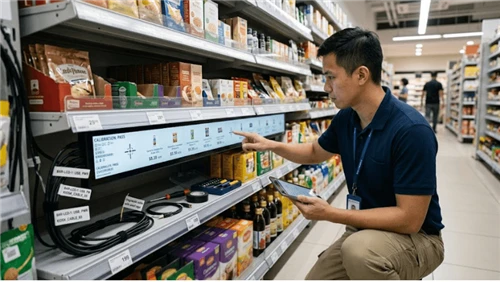
Paper tags lose the battle every week. Head office approves the right price, the promotion gets funded, the fresh department plans its markdowns - but by the time store staff finish physically replacing thousands of labels, promotions have launched late, checkout prices don't match the shelf, and perishables sit unmarked past their optimal discount window. The process is slow, structurally fragile, and hardest to manage exactly when pricing accuracy matters most.
This guide covers where electronic shelf labels in grocery stores deliver real operational gains, what the technology actually involves, how to build a basic ROI case, and what to verify before committing to a system.

What Your Grocery Store Shelf Labeling System Actually Includes
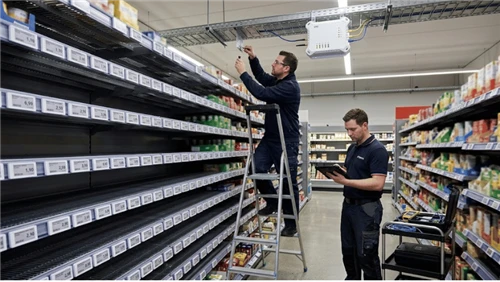
The shelf label is the visible component. Behind it sits a three-layer system that determines whether the investment delivers or disappoints:
- The labels - digital displays at the shelf edge showing price, product name, unit price, barcode, and promotional details
- The store network - wireless base stations installed throughout the store, relaying updates between labels and the management platform
- The software layer - connected to your POS, product master data, and pricing engine, where approved price changes originate and update schedules are controlled
How the ESL system technology integrates across these three layers is what determines the actual outcome. A well-integrated system keeps shelf prices synchronized with approved checkout prices automatically. A weak one produces digital versions of the same errors paper tags already create - just faster.
Four Operational Benefits That Justify the Investment
1. Eliminating Pricing Errors at the Source
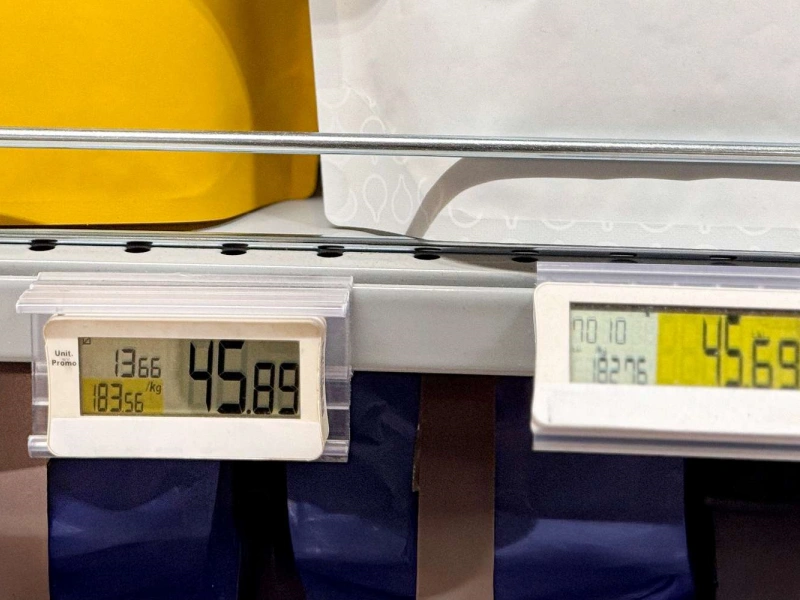
A paper tag faces at least five potential failure points between a pricing decision and what the shopper reads on the shelf: printing, sorting, distributing to the floor, physical replacement, and exception handling for missed or incorrect tags. Each step adds error risk that compounds at scale.
When shelf price and checkout price don't match, the consequences extend beyond inconvenience - checkout delays, manager overrides, shopper complaints, and in markets with active enforcement, regulatory exposure. NIST and the National Conference on Weights and Measures conduct regular national price verification surveys precisely because retail pricing accuracy is a consumer protection issue, not just an internal operations concern. The full scope of
what happens when price displays are wrong - operationally and legally - goes further than most operators expect.
An ESL system removes most of those failure points. When POS integration is set up correctly, approved price changes push automatically to the relevant labels. The price shoppers read matches the price that scans - consistently, without manual intervention.
2. Redirecting Labor From Tags to Tasks That Drive Sales
The paper tag cycle in a grocery store running a weekly ad requires staff to print at the back office, sort by department, carry stock to the floor, replace labels aisle by aisle, then return to handle missed or incorrect changes. In a large supermarket, this absorbs dozens of staff hours every week - before the promotion even goes live.
ESLs don't eliminate the need for store staff. They redirect time from a repetitive, low-judgment task toward replenishment, fresh quality checks, online order picking, and customer assistance - tasks with a direct connection to sales and shopper experience. For operators managing staffing pressure, that reallocation is often as valuable as the raw reduction in tag-handling hours.
3. On-Time, Chain-Wide Promotion Execution
A promotional price only creates value when it goes live on the right product, in the right store, at the right time. Paper-based execution introduces timing gaps. If the weekly ad starts at opening and staff don't finish replacing tags until mid-morning, you've already missed peak promotional demand.
For grocery chains, the consistency problem multiplies across locations. Head office may approve a campaign, but how it goes live depends on each store's staff availability and process speed. An electronic shelf labeling system allows promotions to be scheduled centrally and pushed simultaneously - shifting promotional compliance from a staffing problem to a systems problem that's far easier to control and audit.
4. Faster Fresh-Food Markdowns
USDA Economic Research Service data shows an average supermarket loss rate of approximately 11.6 percent for fresh vegetables - a figure that reflects both a food waste issue and a recoverable margin opportunity for stores that improve their markdown timing.
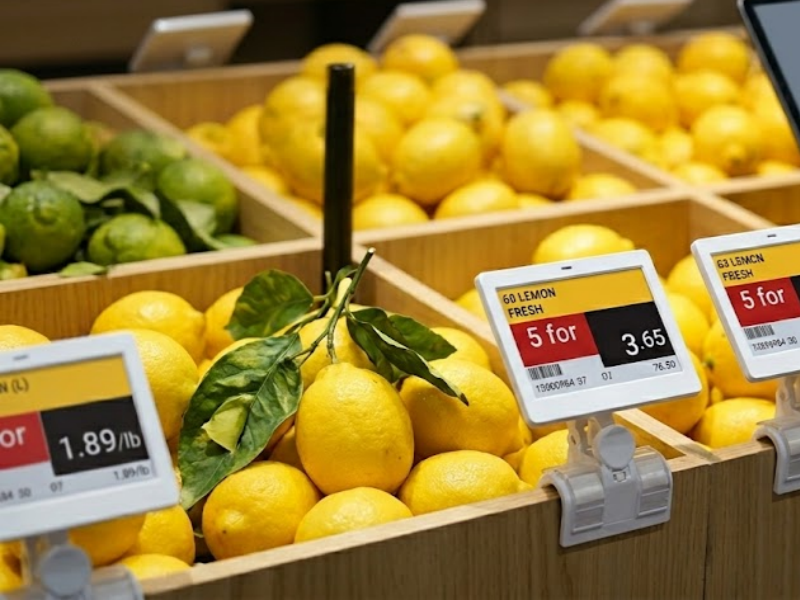
With paper labels, fresh teams often defer markdowns because swapping tags interrupts other tasks. An ESL-equipped department can execute a price reduction from a tablet in seconds without anyone going to the shelf. For bakery sections managing end-of-day clearance or deli counters adjusting prices based on remaining stock, that speed means better sell-through before the discard threshold - less shrink, and margin recovered on product that would otherwise be written off.
Choosing the Right Display Technology
E-Paper Labels: The Practical Default for Most Departments
E-paper displays draw power only when content changes, giving them battery life of five years or more under standard grocery operating conditions. They perform well under typical retail lighting and handle the update volume of dry grocery aisles with minimal maintenance. For most departments, e-paper price tags are the default-correct choice. The trade-off is that traditional e-paper is grayscale, though color options are increasingly available at a higher unit cost.
LCD Labels: Where Full Color Earns Its Premium
LCD shelf labels support full-color display and richer promotional formatting, making them practical at high-visibility positions - section headers, endcap displays, or departments where visual differentiation drives attention. The cost is higher power consumption and shorter battery life. Before committing, the detailed comparison of LCD versus e-ink shelf labels helps clarify where each technology is worth its premium across a real store environment.
NFC-Enabled Labels: Connecting the Shelf to the Shopper's Phone
NFC-capable labels allow shoppers to tap the display and access extended product information: nutritional data, allergen details, sourcing information, or linked content. For grocery formats with strong transparency positioning - organic, premium, health-focused - this adds a functional layer paper labels cannot match. If NFC is part of your evaluation, understanding how NFC price tags are configured for retail environments sets realistic expectations for setup and content management.
Wireless Protocols: What to Verify Before You Commit
ZigBee is common in large grocery footprints because its mesh architecture covers large stores efficiently at low power. Bluetooth Low Energy suits smaller deployments. Sub-GHz protocols offer better penetration in physically obstructed environments, particularly freezer sections. The comparison of Bluetooth, Wi-Fi, and Sub-GHz ESL protocols covers how each performs across different store conditions - coverage in a freezer aisle behaves very differently from an open ambient section, and the protocol choice affects network reliability in ways that matter daily.
Building a Basic ROI Case
Before authorizing a rollout, most operators need at least a rough financial model. Three inputs do most of the work:
Labor savings: Estimate current weekly staff hours spent on tag printing, sorting, floor distribution, and exception handling. Multiply by your fully-loaded hourly labor cost, then by 52. For stores running heavy weekly ad cycles, this annual figure is usually the strongest single input in the ROI model.
Fresh shrink reduction: If your fresh department currently writes off a meaningful percentage of weekly revenue as shrink, a conservative estimate of the sell-through improvement from faster markdown execution gives you a recoverable margin figure to include.
Promotion compliance value: Promotions that launch on time and run for the correct duration protect both the sales return and any supplier funding tied to the campaign. For chains where store-level compliance varies, closing that gap has real commercial value across a full estate.
Set these three against the annualized total cost of the system - hardware, software, integration, and support. Use the ESL ROI calculator to structure the calculation, and review the
full breakdown of electronic shelf label costs to ensure your model accounts for integration work, which buyers consistently underestimate.
Dynamic Pricing: The ESL Use Case Growing Fastest
One capability paper-based systems cannot replicate at all is dynamic price adjustment - changing prices based on time of day, remaining stock, or structured markdown rules without manual staff involvement.
In grocery, the most practical applications are in fresh and prepared foods: end-of-day pricing curves on bakery, markdown triggers based on deli stock levels, and systematic discounting on short-dated produce. These aren't complex algorithmic models - they're structured rules applied against current inventory data. As more grocery operators integrate real-time stock signals into their store systems, connecting those signals to an ESL dynamic pricing framework is becoming a standard expectation rather than an advanced capability.
Which Grocery Formats See the Fastest Return
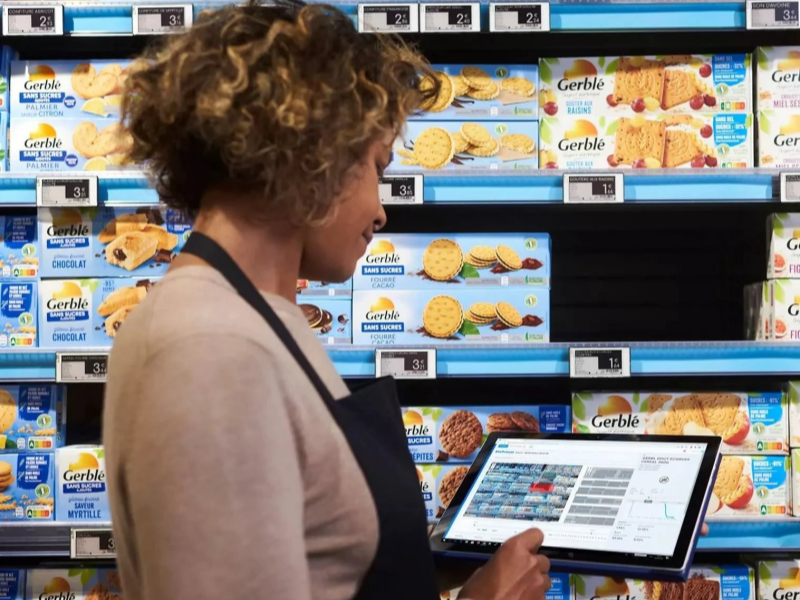
The operational gain from a digital shelf labeling system is strongest in stores where price-change frequency, fresh department scale, and current manual labor spend are all high. Large supermarkets and hypermarkets with aggressive weekly promotions see the broadest combination of benefits. Fresh-format retailers where markdown timing directly affects daily shrink often see the most immediate financial return. Multi-store chains with inconsistent promotion execution across locations gain both compliance control and the auditability that centralized management provides.
Independent operators with simpler pricing structures and fewer weekly changes face a longer payback period. The investment isn't necessarily wrong - but a pilot-first approach matters more here than anywhere else before committing to full rollout.
Common Rollout Mistakes
Treating it as a hardware purchase. The label is visible; POS integration is where pricing accuracy is actually achieved. Stores that underinvest in integration often get digital displays that show the same incorrect prices faster than paper tags did.
Skipping the pilot. Fixture compatibility, network coverage, and workflow changes surface problems in practice that don't appear on paper. A validated pilot store is the minimum risk control before scaling. The ESL installation process guide outlines what a structured pilot should cover.
Underestimating integration timelines. Connecting ESL software to legacy POS or ERP systems commonly takes longer than the physical installation - and is the most frequent cause of delayed launches.
No defined ownership model. Who approves updates? Who handles exceptions? Who escalates technical issues? Without clear ownership across head office, IT, and store operations, accountability gaps tend to compound quietly until they produce visible failures.
FAQ
Q: What components make up a complete grocery store shelf labeling system?
A: A full system includes the digital shelf labels, wireless base stations installed throughout the store, and a software platform connected to your POS, product master data, and pricing engine. The software integration layer is the most critical component - without a reliable link to the actual pricing system, the labels offer limited operational value regardless of how good the hardware is.
Q: Do electronic shelf labels work in freezer and refrigerated environments?
A: Many ESL hardware options are rated for refrigerated operation, but performance varies significantly by model. Verify that the specific label and wireless protocol you're evaluating have been tested in low-temperature conditions before committing. Coverage in freezer aisles behaves differently from open ambient sections, and not all systems that work well in dry grocery perform reliably in chilled departments.
Q: What if labels stop updating during normal operation?
A: Labels typically hold the last price pushed to them and continue displaying it during a connectivity interruption - they don't go blank. If update failures are recurring rather than isolated, the six most common ESL update problems cover the likely causes and what to check before escalating to your supplier.
Q: Can ESLs and paper tags run in the same store during rollout?
A: Yes. A phased approach - starting with high-change departments like fresh produce, bakery, and promotional aisles - is both practical and common. It limits upfront hardware cost, generates measurable operational results before full deployment, and allows the POS integration to be validated in a live environment before the rest of the store goes digital.
Evaluate ESL Options for Your Grocery Project
A well-designed grocery store shelf labeling system built on electronic labels is operational infrastructure, not a display upgrade. The retailers who see the clearest returns treat the integration seriously, pilot before they scale, and measure outcomes that matter: pricing error rates, labor hours redirected, promotion compliance across locations, and fresh shrink reduction in high-value departments.
Explore our electronic shelf label solutions for grocery and supermarket environments, or
contact us to discuss your specific project requirements.